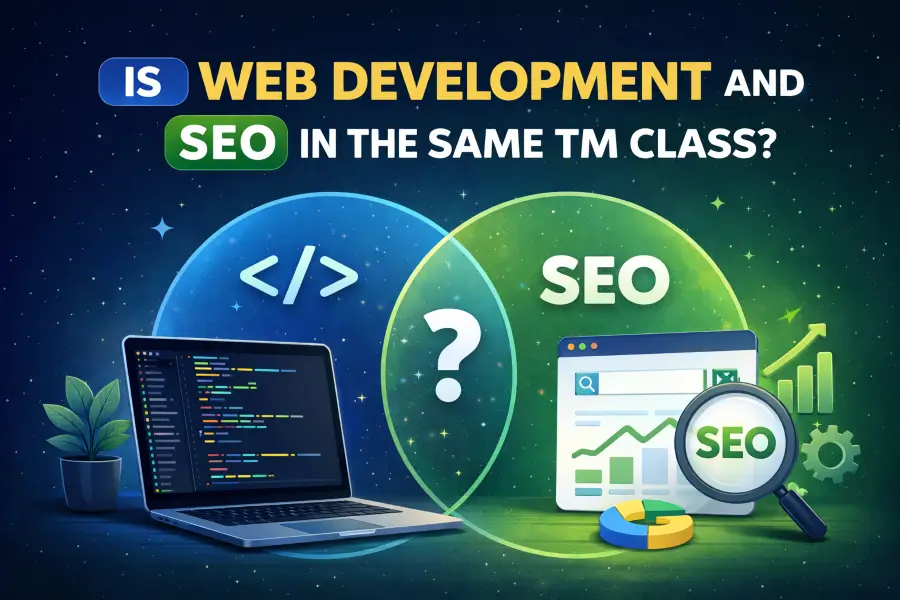
A common question in the intersection of web technology and online marketing is whether is web development and SEO in the same TM class? While both contribute to a website’s performance, they operate in separate areas. Web development focuses on coding, server setup, programming, and designing interfaces to create functional, user-friendly sites. SEO, or search engine optimization, works on improving visibility through content structure, indexing, performance optimization, and keyword relevance. Although their outcomes overlap, since a well-built site supports SEO and optimized content relies on solid development, the two are categorized differently in professional and legal contexts. This distinction matters for trademark filings, service offerings, and education programs. Recognizing how they complement each other without merging them helps businesses, freelancers, and institutions provide efficient services, maintain compliance, and align technical and marketing efforts effectively while respecting the separate standards and classifications of each field.
Is web development and SEO in the same TM class?
No. Web development focuses on building and coding websites, while SEO targets site optimization for search engines. They may overlap in practice but are categorized differently in trademark classifications.
The Relationship Between Web Development and SEO
Web development and SEO are closely related but remain separate fields. Web development focuses on coding, server setup, interface design, and site functionality to create reliable and user-friendly websites. SEO deals with optimizing performance, structuring content, improving indexing, and aligning content with search intent to attract relevant traffic. Both contribute to a website’s success, yet their goals differ: developers ensure technical stability, while SEO specialists enhance visibility and engagement.
Some aspects of SEO overlap with development, such as fast-loading pages, responsive design, and structured layouts, but legal and professional classifications are distinct. Trademark categories reflect this separation, with development tools and software in one class and services like SEO, content optimization, and marketing in another. Even when businesses offer both as a package, each area follows its own standards and best practices. Recognizing the distinction allows companies and professionals to align services, maintain legal compliance, and optimize performance without confusion.
How Web Development and SEO Differ Professionally and Legally
Although web development and SEO often work together, they serve distinct purposes and are categorized differently in professional and legal contexts.
What defines web development in practice?
Web development involves writing code, managing databases, and designing both front-end and back-end interfaces. Its goal is to create websites that function reliably, load efficiently, and provide smooth user experiences.
How does SEO differ from web development?
SEO focuses on improving a website’s visibility in search engines. It emphasizes content structure, indexing, page performance, and relevance to user queries rather than the underlying functionality or technical build.
Why do some people confuse the TM classification?
Since both web development and SEO influence how a website performs, some assume they belong to the same trademark class. However, legal distinctions are clear, and each service falls into a separate category.
When does web development influence SEO?
Elements like clean code, fast loading times, mobile responsiveness, and structured layouts support SEO efforts, showing practical overlap between the two fields.
How do trademark classes separate the two?
Web development tools, software, and programming fall under technical classes, while SEO, content optimization, and marketing services belong to distinct professional and legal categories.
Practical Ways Web Development Supports SEO
Even though web development and SEO belong to separate trademark classes, several practical overlaps enhance website performance and search visibility:
- Page Speed Optimization
- Developers improve code structure, reduce unnecessary scripts, and compress assets, which helps pages load faster and boosts SEO rankings.
- Mobile Responsiveness
- Designing layouts that adapt to various devices ensures users have a consistent experience, which search engines favor for ranking purposes.
- Structured Data Implementation
- Adding schema markup and metadata helps search engines interpret site content accurately, improving indexing and rich snippet opportunities.
- Content Integration
- A well-configured CMS allows SEO teams to optimize headings, meta descriptions, and internal links efficiently without breaking the site’s structure.
- Security and HTTPS
- Secure websites gain user trust and perform better in search rankings, as search engines prioritize HTTPS-enabled domains.
- Internal Linking Structures
- Thoughtful navigation and link hierarchy created by developers make it easier for SEO strategies to guide both users and search engines.
These areas highlight how web development can directly support SEO, even if they remain distinct professional categories.
Why Separating TM Classes Matters
Legally categorizing services ensures protection and clarity. Web development, coding, and programming tools are registered under software or technical classes. SEO services, content marketing, and online optimization belong to marketing or consultancy classes.
Failing to separate them can create confusion, misrepresent services, and reduce legal protection. Companies offering both services should file trademarks for each class individually.
Separating TM classes also provides clarity for clients. Businesses can understand whether they are purchasing development, optimization, or combined services. This prevents misunderstandings about deliverables, pricing, or professional expertise.
From a business perspective, respecting the distinction allows professionals to specialize without overlapping liabilities. SEO may require continuous updates, monitoring, and analytics, while web development is often a one-time build with occasional maintenance.
By acknowledging these differences, companies, freelancers, and agencies can align services, filings, and operations efficiently, avoiding misclassification while maximizing business and legal benefits.
Best Approaches for Integrating Web Development and SEO
Even though web development and SEO serve different purposes, coordinating them from the start maximizes website performance and search visibility.
How can web development enhance SEO?
Developers can design websites with fast-loading pages, responsive layouts, and clean code. Structured content and secure protocols such as HTTPS improve performance and create a foundation that supports SEO strategies effectively.
How do SEO specialists depend on development?
SEO teams rely on websites built with proper coding standards to implement keywords, meta tags, header structures, and internal linking. A well-developed site ensures these optimizations function correctly and produce measurable results.
Why should businesses combine both services?
Offering web development and SEO together provides a seamless solution. Clients benefit from improved site functionality, higher visibility in search engines, and an enhanced overall user experience, reducing the need for later adjustments.
When should SEO be considered during development?
SEO should be planned early in the development process. Integrating optimization from the beginning avoids costly revisions and ensures technical and content strategies align from the start.
What is the legal perspective on TM classes?
Despite practical overlap, web development and SEO are registered under separate trademark classes, ensuring clarity, protection, and proper professional classification.
Conclusion
Determining whether is web development and SEO in the same TM class? highlights the distinction between building websites and optimizing them for search engines. While practical overlaps exist, legal classifications differ. Web development ensures functional, user-friendly sites, while SEO improves visibility, rankings, and traffic. Recognizing these differences allows professionals to align services, protect intellectual property, and provide comprehensive solutions. For businesses, respecting the separate trademark classes ensures clarity, legal protection, and efficient service delivery. Combining both services strategically can maximize website performance, user engagement, and search engine results.
FAQ’s
Can one trademark cover both services?
No, a single trademark cannot cover both. Web development and SEO services require separate filings because they fall under different legal and professional trademark classifications.
How do these fields overlap in practice?
They overlap through performance factors like page speed, responsive design, and structured data. Developers implement these elements, which directly support SEO strategies and improve search rankings.
Why is separating TM classes important?
Separating TM classes ensures accurate legal protection, prevents service misclassification, and clearly defines business offerings for clients, partners, and regulatory authorities in different industries.
Should businesses offer web development and SEO together?
Yes, combining both services improves overall website performance and visibility. However, businesses must still register them separately to comply with trademark and legal classification requirements.
When should SEO be integrated into web development?
SEO should be included during the initial planning stage. Early integration ensures proper site structure, better performance, and alignment between technical development and marketing goals.